

Microdosing GLP-1: A Smarter Way to Start Weight Loss in 2026?

Daniel Zvi
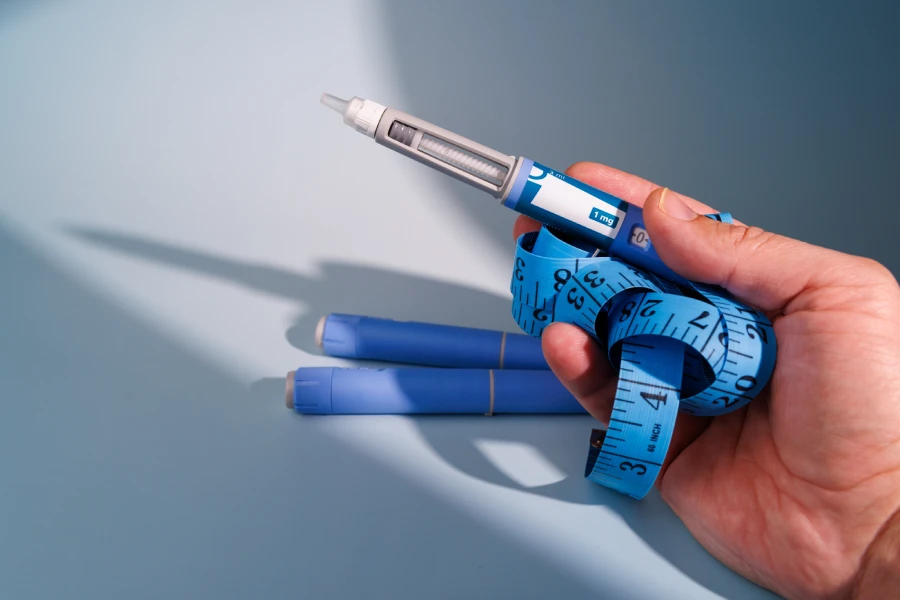
For the last few years, the weight loss headline has been "Maximum Potency." Patients raced to hit the highest clinical doses (e.g., 2.4mg Semaglutide) to melt fat as fast as possible. But in 2026, the conversation is shifting toward sustainability.
A growing community of "Sensitive Responders" and metabolic optimizers are advocating for Microdosing GLP-1s—finding the Minimum Effective Dose (MED) that quiets the obsessive thoughts about food without the fatigue, nausea, or muscle loss associated with high-dose protocols.
Is this "less is more" approach medically sound? Here is the high-level breakdown of the benefits, risks, and logistics of low-dose therapy.
What is GLP-1 Microdosing?
Quick Definition: Microdosing GLP-1 refers to the practice of taking significantly lower doses of medications like Semaglutide or Tirzepatide (often 10–50% of the standard dose) to suppress "food noise" and cravings without triggering severe side effects. It is most commonly achieved using compounded vials, which allow for precise volume adjustments that standard auto-injector pens cannot offer.
Standard FDA protocols for GLP-1 agonists are designed for aggressive disease treatment (Type 2 Diabetes or Clinical Obesity). They follow a rigid Titration Schedule, usually doubling the dose every 4 weeks, regardless of how the patient feels, aiming for the maximum tolerated amount.
Microdosing flips this script.
Instead of chasing the highest number on the pen, microdosing involves staying at the lowest effective tier (e.g., 0.25mg Semaglutide or 2.5mg Tirzepatide) for extended periods—or even taking "sub-clinical" fractional doses—to achieve specific metabolic goals:
- Silencing "Food Noise": Curbing the mental obsession with food without completely killing your natural appetite.
- Mitigating Side Effects: Avoiding the "paralysis" of digestion that leads to severe nausea, vomiting, or "Ozempic Face" (rapid facial volume loss).
- Maintenance: Using a tiny weekly dose to keep metabolic pathways open and prevent weight regain after hitting a goal weight.
Who Is This Approach Best For?
Microdosing is not a magic bullet for everyone. Patients with a BMI > 35 or severe insulin resistance often require standard high doses to see results. However, low-dose therapy is gaining traction for three specific user profiles:
1. The "Super Responder"
Some individuals possess a high sensitivity to GLP-1 receptor agonists. They may take the introductory dose (0.25mg) and experience immediate, strong appetite suppression. For these users, following the standard schedule to increase dosage is unnecessary and often leads to illness.
2. The Maintenance Phase
After losing 50+ lbs, stopping medication "cold turkey" often leads to rapid weight regain due to metabolic adaptation. A "Micro-Maintenance" dose (taken weekly or bi-weekly) can keep appetite regulated while the body stabilizes at its new set point.
3. The "Food Noise" Fighter
This user doesn't necessarily need to lose massive amounts of weight but struggles with constant cravings or binge eating urges. A microdose effectively "turns down the volume" on these cravings, allowing willpower to take over without the intensity of a full medical blockade.
The Logistics: Why "Vials" Beat "Pens" for Microdosing
There is a major logistical barrier to microdosing: The Delivery Device.
❌ The Limitation of Name-Brand Pens
Standard auto-injector pens (like those used for Wegovy® or Ozempic®) are often "dose-locked." They are preset to deliver a specific amount of liquid.
- The "Click Counting" Risk: Users often try to "hack" these pens by counting audible clicks to deliver a partial dose. This is imprecise and risky, as the pen mechanisms are not calibrated for partial delivery, leading to inconsistent dosing.
✅ The Solution: Compounded Vials
This is why many users are switching to Telehealth providers offering compounded medication.
- Precision: Compounded GLP-1s are shipped in glass vials with separate insulin syringes.
- Control: If a patient needs 0.15mg instead of 0.25mg, they simply draw up fewer units in the syringe. This offers 100% control over the volume, making microdosing safe, accurate, and sanitary.
 Our top picks for April 2026
 9.9
9.9


 Doctor Consultation


Pros & Cons: Setting Realistic Expectations
| Feature | The Benefits of Microdosing | The Trade-Offs |
| Side Effects | Minimal to None. significantly reduces nausea, fatigue, and GI distress. | Slower Results. Weight loss will be gradual (0.5 – 1 lb/week) rather than rapid. |
| Sustainability | High. Easier to eat sufficient protein and maintain a social life (enjoying dinner without feeling sick). | Patience Required. It may take weeks to find your specific "sweet spot" dose. |
| Cost | Efficient. A single vial can last months if used at low doses (check expiration dates). | Insurance Issues. Insurance rarely covers "maintenance" or "low dose" prescriptions; this is typically a cash-pay route. |
| Muscle Mass | Preserved. Slower weight loss drastically reduces the risk of muscle wasting (sarcopenia). | Hunger Breakthrough. Strong hormonal triggers (stress/period) may overpower a microdose. |
Final Verdict: Is Low-Dose Right for You?
In 2026, the era of "one-size-fits-all" dosing is ending. Microdosing GLP-1s represents a shift toward personalized medicine—treating the patient's symptoms, not just the manufacturer's schedule.
If you are interested in a flexible, low-dose approach, the most critical step is choosing the right provider type. You need a medical partner that offers compounded vials (for dosage control) rather than rigid auto-injectors.
How to Start Safely
Do not attempt to modify doses on your own. Look for a medically supervised telehealth service that specializes in customized titration.
What to look for in a provider:
- Offers Compounded Semaglutide/Tirzepatide: Essential for flexible dosing.
- "Vial & Syringe" Delivery: Avoids the limitations of pre-filled pens.
- Clinical Chat Access: You need direct access to a doctor to adjust your "micro" units week-by-week.
Frequently Asked Questions (FAQ)
Q: What is considered a "Microdose" of Semaglutide?
A: While standard maintenance doses range from 1.7mg to 2.4mg, a "microdose" is typically considered anything under 0.5mg weekly. Many users report effective "food noise" suppression at doses as low as 0.10mg to 0.25mg, especially when maintaining weight loss or just starting out.
Q: Can I microdose using a standard brand-name pen (like Wegovy®)?
A: It is not recommended. Most brand-name pens are "single-dose" or "dose-locked," meaning they are built to deliver one specific amount (e.g., 2.4mg). Trying to "count clicks" to get a smaller dose is imprecise and can lead to accidental overdosing. Compounded vials with insulin syringes are the safest method for microdosing.
Q: Will I lose weight on a microdose?
A: Yes, but it will be slower. Microdosing aims for 0.5 to 1 lb per week rather than the rapid drops seen with high doses. The goal is often metabolic regulation and appetite control, not rapid fat loss.
Q: Does insurance cover GLP-1 microdosing?
A: Generally, no. Insurance approvals are typically tied to standard FDA protocols (e.g., titrating up to the maximum tolerated dose). Microdosing is considered an "off-label" strategy and is almost exclusively done through cash-pay clinics using compounded medications.
Q: Can microdosing reduce "Ozempic Face"?
A: Yes. "Ozempic Face" is primarily caused by rapid weight loss that depletes facial fat pads too quickly. By using a microdose to lose weight gradually, you give your skin and connective tissue more time to adapt, potentially preserving a more youthful appearance.
Liked this article?
Smart Recommendations


Thank you!