

What to Expect in Your First 30 Days on Weight Loss Injections (A Weekly Timeline)

Daniel Zvi
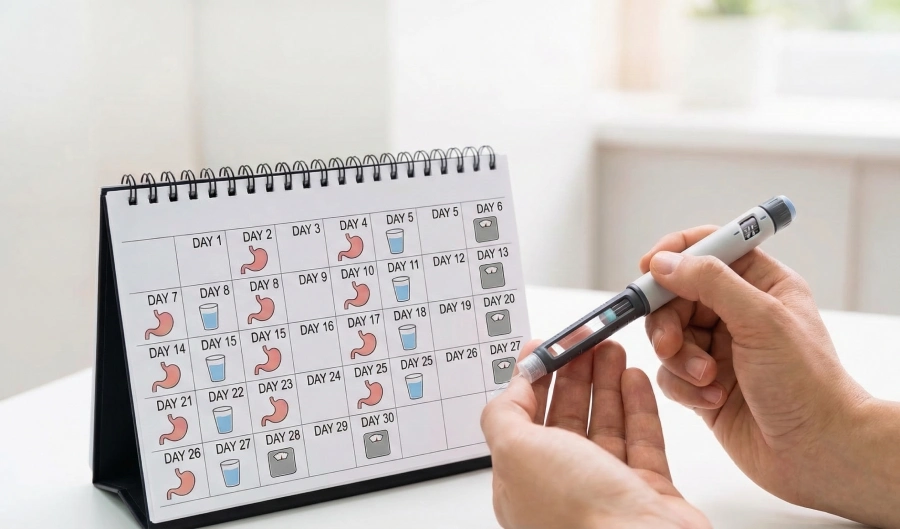
If you are starting a GLP-1 weight loss injection (like semaglutide or tirzepatide) and wondering when the scale will drop, the reality is that the first 30 days are about titration and tolerance, not rapid weight loss. During your first month on a starter dose, you can expect mild gastrointestinal side effects, a gradual decrease in cravings, and an average weight loss of 1% to 4% as your body safely acclimates to the medication.
The First 30 Days: Titration vs. Therapeutic Doses
Why is the first month's dose so low?
The first month of treatment utilizes a sub-therapeutic "starter dose" designed strictly to introduce the peptide to your gastrointestinal tract. If your doctor started you on a high dose immediately, the sudden slowing of your digestion would likely cause severe, debilitating nausea and vomiting.
What is the goal of the first 30 days?
The primary goal of month one is acclimation. You are building a baseline tolerance so that you can safely step up to the higher, "therapeutic" doses in months two and three—which is when the significant fat loss typically occurs.
 Our top picks for April 2026
 9.9
9.9


 Doctor Consultation


Administering Your First Injections
Where is the best place to inject the medication?
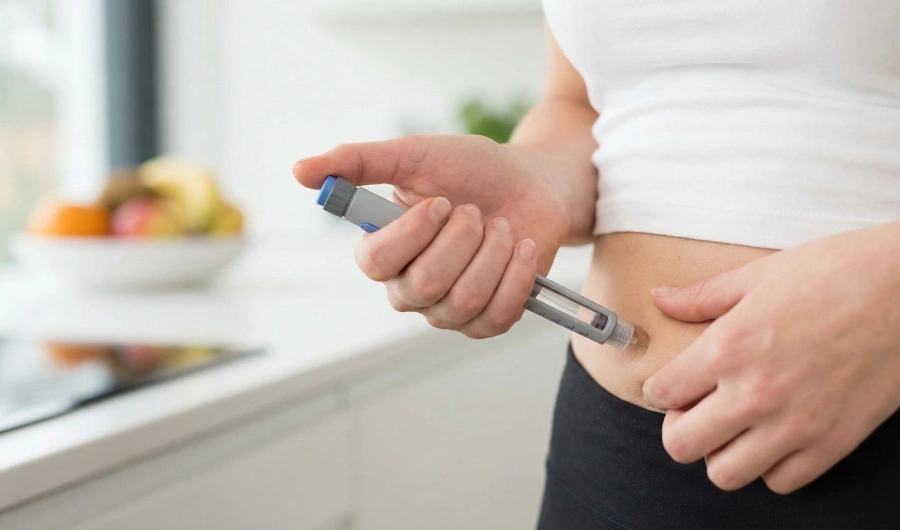
The best places to inject your medication are the fleshy parts of your lower abdomen (staying two inches away from the belly button), the front of your thighs, or the back of your upper arms. You must rotate your injection site every week to prevent skin irritation and tissue scarring.
What time of day is best for your first shot?
The best time of day to take your first injection is in the evening, shortly before bed. By taking the medication at night, you can essentially "sleep through" the initial wave of nausea that often hits within the first 8 to 12 hours.
Should you eat before your first injection?
Yes, you should eat a small, bland, protein-rich meal before your first injection. Injecting on a completely empty stomach can sometimes exacerbate nausea, while eating a heavy, greasy meal right before will almost certainly trigger severe acid reflux and vomiting as gastric emptying slows down.
Your Week-by-Week First Month Timeline
To help you track your progress, here is what most patients experience week by week:
- Week 1 (Days 1-7): The Introduction. You may feel mild nausea or a slight headache within 24–48 hours of your first shot. Appetite suppression may begin, but it is completely normal if it doesn't. Your body is just meeting the medication.
- Week 2 (Days 8-14): The "Food Noise" Fades. By the second injection, many patients notice a distinct reduction in obsessive thoughts about food. You will likely start feeling uncomfortably full if you try to eat your normal, pre-medication portion sizes.
- Week 3 (Days 15-21): Side Effects Stabilize. As your gastrointestinal tract adapts, early side effects like nausea, reflux, or bloating should begin to subside—provided you are avoiding greasy, high-fat foods.
- Week 4 (Days 22-30): The Assessment. By the fourth injection, your body has fully adjusted to the starter dose. You will consult with your prescribing doctor to evaluate your tolerance and determine if your body is ready to step up to the next dosage tier.
Surviving the First 30 Days: Proactive Side Effect Management
How can you prevent severe nausea?
You can prevent severe nausea by transitioning to frequent, micro-meals rather than three large meals a day. Because your digestion is dramatically slower, overfilling your stomach is the primary trigger for sickness. Stop eating the moment you feel 70% full.
How do you manage first-month constipation?
You manage constipation by aggressively increasing your water intake to at least 80 to 100 ounces per day and adding a daily fiber supplement. GLP-1 medications slow down your entire digestive tract, meaning water is absorbed out of your stool faster, leading to severe constipation if you do not actively hydrate.
What supplements should you prioritize in month one?
You should prioritize a high-quality whey or plant-based protein powder and an electrolyte powder. Protein shakes help you hit your daily macro goals when you have zero appetite, preventing muscle loss, while electrolytes combat the profound fatigue many users feel during weeks one and two.
Real Patient Experience: What the Clinical Trials Don't Tell You
While clinical data focuses on weight and blood work, the day-to-day experience of starting a GLP-1 medication involves significant lifestyle and emotional shifts.
First, fatigue is incredibly common. Because you are suddenly eating at a severe calorie deficit, your body has less readily available energy. Second, you will likely have to navigate social eating differently. When you have zero appetite or feel mildly nauseous, sitting through a heavy dinner out with friends can feel overwhelming. Finally, the loss of "food noise" can be emotionally jarring; many patients realize for the first time how much mental energy they previously spent planning their next meal or fighting cravings.
Warning Signs: When to Contact Your Doctor
What side effects are considered normal in the first 30 days?
Mild, transient side effects like low-grade nausea, sulfur burps, mild fatigue, occasional headaches, and temporary constipation or diarrhea are completely normal as your body builds a tolerance to the starter dose.
What side effects require immediate medical attention?
Side effects that are absolutely not normal include severe, unremitting abdominal pain (which can be a sign of pancreatitis), the inability to keep liquids down for more than 24 hours, severe dehydration, or signs of an allergic reaction such as facial swelling or difficulty breathing. If you experience these, you must contact your healthcare provider or visit an emergency room immediately.
Setting Up for Long-Term Success After Month One
The first 30 days on a weight loss injection are just the foundation. If you rely solely on the peptide to do the work while ignoring your daily habits, you will inevitably hit a plateau and lose valuable muscle mass.
To maximize your results as you move into month two and increase your dosage, you must focus heavily on prioritizing lean protein to prevent muscle loss, drinking at least 80 to 100 ounces of water daily to combat constipation, and incorporating basic resistance training. These medications are highly effective tools, but the weight loss space has evolved — and so should your strategy.
Frequently Asked Questions
Q: Why am I not losing weight in my first 4 weeks on injections?
A: It is incredibly common not to lose significant weight in the first month. The initial 4 weeks utilize a "starter dose" designed solely to help your digestive system adjust to the medication and prevent severe side effects. Meaningful weight loss typically begins in months two or three once you reach a therapeutic dose.
Q: How fast does the appetite suppression kick in?
A: Some patients feel appetite suppression within 24 hours of their first injection, while others do not experience a noticeable drop in hunger until weeks 3 or 4. This varies heavily based on your individual metabolic response and starting weight.
Q: What foods should I absolutely avoid in my first 30 days?
A: To minimize nausea and indigestion, you must avoid high-fat, greasy, deep-fried, and heavily processed sugary foods. Because GLP-1s slow down your digestion, heavy foods sit in your stomach much longer, triggering severe acid reflux, bloating, and vomiting.
Q: How long does the initial nausea last?
A: For most patients, nausea peaks roughly 48 hours after the injection and generally resolves within a few days. By the third or fourth week of taking the same dose, your body typically builds a tolerance, and the nausea fades significantly.
Liked this article?
Smart Recommendations


Thank you!