



 FSA & HSA eligible











Standard GLP-1 treatments have revolutionized weight management, but a new trend is quickly taking over the telehealth space: microdosing. So, what is microdosing GLP-1? To microdose GLP-1 means taking a small fraction of the standard clinical starting dose to achieve gradual, steady results while actively minimizing adverse side effects. Whether you’re exploring semaglutide microdosing or a tirzepatide microdose, the principle is the same: less medication, carefully calibrated to your body’s needs.
But why are people doing this? For many, the standard clinical doses of medications like semaglutide or tirzepatide lead to severe gastrointestinal side effects (like intense nausea, vomiting, or fatigue). Others have already hit their target weight and simply want a low, manageable dose to quiet their “food noise” without losing more mass. By utilizing telehealth platforms that provide compounded vials, patients can customize their doses to fit their exact biological needs. That flexibility is a big reason interest in GLP-1 micro dosing has grown so quickly.
Dr. Asad K. Niazi, M.D., M.P.H., an Internal Medicine specialist, confirms this shift: “We are seeing increased interest in microdosing. Patients reach a point where they have achieved their goal weight and want a lowest-dose approach for maintenance, appetite stability, and metabolic support. It is also significantly cheaper.”
 Our top picks for October 2026
 9.9
9.9

 Provider Consultation
How Does GLP-1 Microdosing Actually Work?
The standard starting dose for these medications is designed to quickly acclimate your body before titrating up to a maximum therapeutic dose. However, jumping straight into standard dosing protocols triggers severe nausea for highly sensitive patients. In a micro dosing GLP-1 protocol, a telehealth doctor might start you on a microscopic fraction of the standard dose and keep you there, or increase it at an incredibly slow pace. For reference, a standard tirzepatide dosage chart begins at 2.5 mg weekly and titrates up to 15 mg — a tirzepatide microdosing protocol might keep you well below the starting point for weeks or months. Because you are using a compounded vial and a standard syringe rather than a pre-filled, locked auto-injector pen, you have total control over drawing up the exact custom dose your doctor prescribes.
Tirzepatide Dosage Chart: Standard Titration vs. Microdosing
To see how small a GLP-1 microdose really is, it helps to compare it to the standard titration schedule. The chart below shows the typical weekly steps used for tirzepatide and semaglutide, followed by the lower ranges some telehealth providers use for a mini dose GLP-1 plan.
| Phase | Tirzepatide (weekly) | Semaglutide (weekly) |
| Typical microdose range | Below 2.5 mg, often around 1 mg to 2 mg | Below 0.25 mg, often around 0.1 mg to 0.2 mg |
| Standard starting dose (weeks 1–4) | 2.5 mg | 0.25 mg |
| Step 2 (weeks 5–8) | 5 mg | 0.5 mg |
| Step 3 (weeks 9–12) | 7.5 mg | 1 mg |
| Step 4 (weeks 13–16) | 10 mg | 1.7 mg |
| Maintenance / maximum | 12.5 mg to 15 mg | 2.4 mg |
Microdose ranges aren’t standardized and vary by provider, whether you want to microdose tirzepatide or semaglutide. Your prescriber will personalize your GLP-1 microdose based on your goals, tolerance, and medical history, so never adjust your dose on your own.
Standard Dosing vs. GLP Microdosing: Which is Right for You?
Before you sign up for a program, it’s crucial to understand if you are a candidate for a microdosing protocol. Some providers describe entry-level plans as a “mini GLP-1” or “mini dose GLP-1” approach — a gentler on-ramp designed for those who want the benefits with fewer side effects.
Microdosing may be a good fit if you:
- Are in the “maintenance phase” and want to prevent weight regain.
- Are highly sensitive to gastrointestinal side effects from standard doses.
- Want to stretch your medication to lower your overall monthly costs.
- Prioritize slow, steady weight loss to help preserve lean muscle mass.
Standard Dosing is likely better if you:
- Have a high BMI and need significant, clinically guided weight loss.
- Suffer from Type 2 Diabetes and require standard therapeutic doses for blood sugar regulation.
- Prefer the convenience of single-use, pre-filled auto-injector pens.
Vials vs. Pens: The Logistics of Microdosing GLP 1s
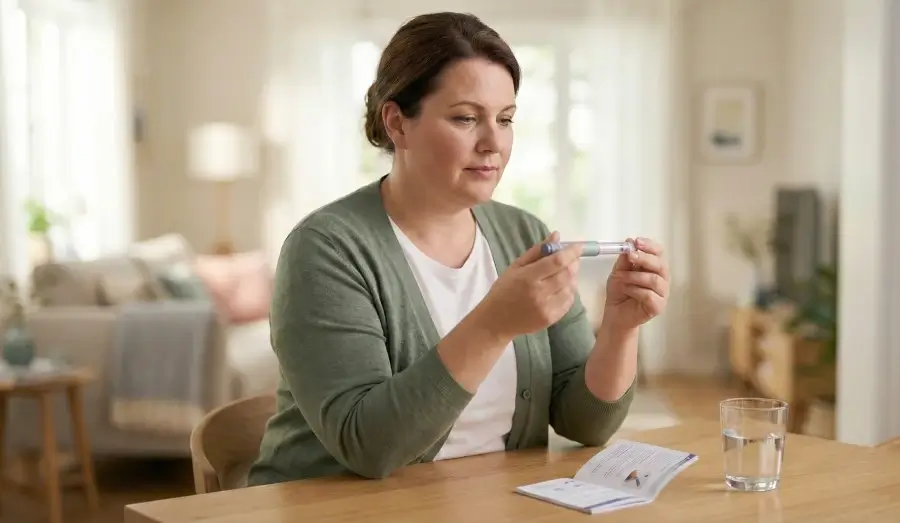
If you are looking for the best microdose GLP-1 company, you must understand the logistics of the medication delivery. Name-brand pens (like Wegovy® or Zepbound®) are “auto-injectors.” They administer one pre-set dose and cannot be safely adjusted or divided.
If you attempt to break them open, you risk contamination and inaccurate dosing. To safely utilize microdosing weight loss meds, you need medication delivered in a standard glass vial so you can draw up tiny, precise amounts with a diabetic syringe.
This makes compounded medications from licensed telehealth providers not only the most affordable option but the only practical way to microdose accurately and safely. When you access online microdose GLP-1 programs through a telehealth platform, compounded vials are the standard delivery method.
Best Microdose GLP-1 Telehealth Providers 2026
Cheapest GLP-1 Microdose Options: Finding the Best GLP-1 Program Without Insurance
Most insurance plans don’t cover microdosing GLP-1, so nearly every patient pays cash. The good news is that a micro dose GLP-1 plan is often cheaper than a full-dose program, since you use less medication each month. Here’s what to expect in 2026:
- Semaglutide microdosing programs: Often among the cheapest GLP-1 microdose options, commonly starting around $100 to $200 per month for personalized compounded medication.
- Tirzepatide microdosing programs: Usually a bit more expensive, typically around $150 to $300 per month depending on the dose.
- All-inclusive programs: Some providers bundle coaching or lab work. For example, Noom’s microdose GLP-1 program has been reported at $149 per month, including at-home biomarker testing.
When comparing the best GLP-1 program without insurance, look beyond the headline price. Check whether the monthly rate stays the same as your dose changes, whether doctor visits and supplies are included, and whether you can pay with HSA or FSA funds.
The Reality Check: Diet and Muscle Preservation
A major misconception is that taking a microdose means you don’t have to change your lifestyle. In reality, whether you are on a maximum dose or a microdose, a GLP-1 is a tool to assist with a calorie deficit. To achieve results and prevent muscle loss—especially if you are losing weight slowly on a microdose—you must prioritize a high-protein diet (aiming for 25–30 grams per meal) and incorporate resistance training. The medication helps control your cravings, but your protein intake and exercise routine dictate your long-term body composition and metabolic health.
Who Should Avoid GLP Microdosing? (Contraindications)
While microdosing uses a smaller amount of medication, it is still a serious medical treatment and is not safe for everyone. You should avoid GLP-1 medications entirely if you:
- Are pregnant, planning to become pregnant, or breastfeeding.
- Have a personal or family history of medullary thyroid carcinoma (MTC) or Multiple Endocrine Neoplasia syndrome type 2 (MEN 2).
- Have a history of pancreatitis.
- Have severe gastroparesis (delayed stomach emptying).
Safe Storage and Handling of GLP-1 Medications
Because you will be using a vial and drawing your own weight loss syringes, proper storage is critical:
- Refrigeration: Unopened and opened vials of compounded semaglutide and tirzepatide must generally be kept in the refrigerator.
- Sanitation: Always wipe the top of the vial with an alcohol swab before inserting a sterile syringe. Never reuse a syringe.
- Expiration: Pay close attention to the beyond-use date (BUD) provided by the compounding pharmacy, as it may differ from the expiration dates of commercial pens.
What About Oral Options? (GLP-1 Pills)
Many users who dislike needles search for GLP-1 pills. While oral semaglutide exists, injections are still considered the gold standard for reliable absorption and microdosing flexibility. Furthermore, it is incredibly difficult to accurately microdose an oral pill. Splitting a tablet can lead to uneven active ingredient distribution and destroy the pill’s protective coating. Liquid injections remain the most accurate method for precise dosage control.
How to Get Started with a GLP-1 Microdosing Plan
One of the most common questions is: “Where can I get microdosing GLP-1?” or “Where can I buy microdose GLP-1 online?” The answer is through a licensed telehealth provider — and getting started is simpler than most people expect. Here is how the top platforms work:
- Take an Online Assessment: Fill out a secure, HIPAA-compliant questionnaire about your medical history, current weight, and sensitivity to medications.
- Consult with a Clinician: A licensed healthcare provider will review your file to determine if a microdosing protocol is medically appropriate for you.
- Receive Your Medication: If approved, a licensed compounding pharmacy will prepare your GLP-1 injection and ship it directly to your door, complete with standard syringes and instructions.
- Ongoing Check-ins: Your provider will monitor your progress and help you adjust your micro-dose as needed to maintain your results without the nausea.

Finding the Best GLP-1 Microdosing Program For You
The best GLP-1 microdosing approach is one tailored to your physiology, budget, and weight loss goals. Microdosing is changing the way patients approach chronic weight management — shifting the focus from rapid, aggressive weight loss to sustainable, long-term metabolic health. If you are tired of battling nausea or simply want a cost-effective way to silence food noise in your maintenance phase, review our top-rated telehealth clinics to find the perfect program for you. In the end, the best GLP-1 microdose is the one your provider personalizes to you and adjusts as your needs change. Our top picks for October 2026
Frequently Asked Questions
Q. Is microdosing GLP-1 FDA approved?
A. No. Microdosing is an “off-label” practice. While standard doses of semaglutide and tirzepatide are FDA-approved for weight loss and diabetes, doctors prescribe lower doses based on their clinical judgment to help patients manage side effects or maintain weight. This is why you must only microdose under the direct supervision of a licensed healthcare provider.
Q. Will I still lose weight if I microdose?
A. It is not guaranteed. Clinical trials show that the most significant weight loss occurs at full therapeutic doses. Some patients do lose weight on a microdose, but many use this strategy specifically for the “maintenance phase” to prevent weight regain rather than to shed large amounts of fat.
Q. Can microdosing help with “food noise”?
A. Yes, this is one of the primary reasons patients seek it out. Many individuals report that even a fraction of a standard dose is enough to quiet the constant, obsessive thoughts about food and cravings, giving them mental relief without the physical side effects of a larger dose.
Q. Can I microdose using a name-brand Zepbound® or Wegovy® pen?
A. No. Medical experts strongly advise against this. Name-brand pens are single-use auto-injectors. Attempting to break them open, or using “click counting” hacks found on social media for other pens, introduces severe risks of contamination and inaccurate dosing. Compounded vials with standard syringes are the only safe way to accurately measure a microdose.
Q. Is the cheapest way to microdose GLP-1 safe?
A. The most cost-effective method is purchasing compounded GLP-1 medications through a legitimate, U.S.-based telehealth clinic. Because you are taking smaller doses, a single vial lasts longer. However, it is only safe if the telehealth platform utilizes FDA-regulated 503A or 503B compounding pharmacies. Never purchase from unregulated websites or social media ads.
Q. What is the difference between semaglutide microdosing and tirzepatide microdosing?
A. Semaglutide is a GLP-1 medication, while tirzepatide acts on both GLP-1 and GIP receptors. A semaglutide microdose is measured in fractions of a milligram (often below 0.25 mg weekly), while a tirzepatide microdose is usually a few milligrams or less (below the standard 2.5 mg starting dose). Your provider will help you choose based on your goals, budget, and how you tolerate each medication.
Q. Does Midi Health offer a microdose GLP-1?
A. Midi Health is a telehealth provider focused on women in perimenopause and menopause, and it’s one of several companies reported to offer microdose GLP-1 options. Its published pricing lists compounded GLP-1 injectables starting at 0.1 mg, below the typical 0.25 mg starting dose, from about $166 per 4-week supply. Ask a Midi clinician whether a microdose protocol is right for you.
Q. Where can I buy a microdose GLP-1 online?
A. You can only get a microdose of GLP-1 with a prescription. Licensed telehealth providers, like the ones listed above, offer an online microdose GLP-1 consultation, and if you qualify, your personalized medication is shipped to your home from a licensed pharmacy.
