






 Compounded semaglutide and tirzepatide plans







Zepbound® (tirzepatide) — sometimes searched as “Zep Bound” — is a revolutionary, FDA-approved injectable medication designed specifically for chronic weight management in adults with obesity or overweight conditions.
For decades, weight gain was unfairly blamed on a lack of willpower. Today, medical science recognizes obesity as a complex metabolic and biological condition. Zepbound® solves this by acting as a “dual-agonist.” It mimics two naturally occurring hormones in your body: GLP-1 and GIP. By targeting both receptors, this medication drastically reduces appetite, slows stomach emptying, and improves how your body processes sugar. The result is a profound reduction in “food noise”—the constant, intrusive cravings that derail traditional diets.
 Our top picks for October 2026
 9.9
9.9

 Doctor Consultation
What is Zepbound® (Tirzepatide)?
Zepbound® is a brand-name, FDA-approved prescription injection made by Eli Lilly for chronic weight management. It is prescribed alongside a reduced-calorie diet and increased physical activity for adults who have:
- Obesity (a BMI of 30 or higher), or
- Overweight (a BMI of 27 or higher) plus at least one weight-related health condition, such as high blood pressure, type 2 diabetes, or high cholesterol
Zepbound® is also FDA-approved to treat moderate-to-severe obstructive sleep apnea in adults with obesity.
The active ingredient in Zepbound® is tirzepatide. What makes it different from many other weight loss injections is that it acts on two hormone receptors, GIP and GLP-1, rather than just one.
How Zepbound® works
Zepbound® is taken as a once-weekly injection under the skin. Tirzepatide mimics two hormones your gut naturally releases after you eat:
- GLP-1: signals fullness to your brain, curbs appetite, and slows how quickly food leaves your stomach
- GIP: helps regulate insulin and blood sugar, and works alongside GLP-1 to further reduce appetite and food intake
Together, these two actions can help you:
- Feel less hungry between meals
- Feel full sooner and stay satisfied longer
- Quiet persistent cravings and “food noise”
- Keep blood sugar levels steadier
In practice, this means eating smaller portions and sticking to a healthier eating plan can feel far more manageable. Treatment usually starts at a low dose that is increased gradually every four weeks to help your body adjust. Individual results vary, so talk with a licensed healthcare provider about whether Zepbound® is right for you.
Types of Tirzepatide & how they differ
When researching Zepbound® online, you will likely see several brand names and delivery methods. Understanding these options is critical for finding the most affordable and effective path:
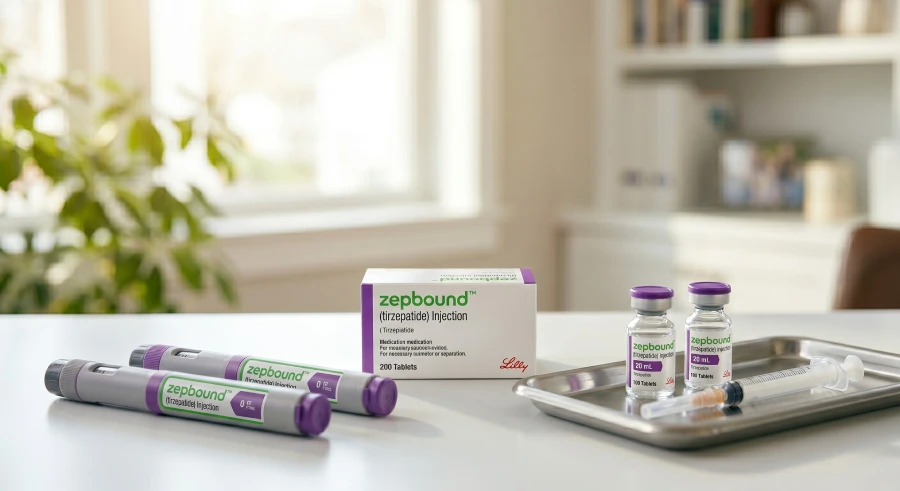
- Zepbound® Auto-Injector Pens: Single-use, prefilled pens that are incredibly easy to use. These are often covered by commercial insurance if you meet specific medical criteria.
- Zepbound® Single-Dose Vials: Released by the manufacturer (Eli Lilly) as a self-pay option, these single-dose vials are available for Zepbound® online purchase through telehealth platforms. They are the go-to option for patients seeking Zepbound® injections without insurance coverage.
- Mounjaro®: This medication uses the same active ingredient (tirzepatide), but is FDA-approved specifically for treating Type 2 Diabetes rather than chronic weight management.
What to expect: your Zepbound® treatment timeline
Medical weight loss is a marathon, not a sprint. Here is- a realistic timeline of what to expect when you begin your Zepbound® treatment:
- Weeks 1-4 (The Starter Dose): You will begin on a foundational 2.5 mg weekly dose. The primary goal here is to allow your gastrointestinal tract to adapt to the medication. Some appetite suppression occurs, but massive weight reduction is not the immediate goal.
- Weeks 5-8 (Titration): Under the guidance of your telehealth provider, your dose will typically increase to 5 mg. You will likely notice a significant drop in cravings and a steady reduction in weight.
- Months 3-12 (Results & Maintenance): As you reach higher therapeutic doses (7.5 mg, 10 mg, or up to 15 mg), the most dramatic physical changes occur. Clinical trials show many patients lose a significant percentage of their body weight over a 72-week period when combined with lifestyle changes.
Potential downsides and side effects of Zepbound®
Transparency is key to a safe medical journey. Because Zepbound® alters how your digestive system functions, gastrointestinal side effects are common, especially when starting the medication or increasing your dose.
Common side effects include:
- Nausea and indigestion
- Constipation or diarrhea
- Stomach discomfort
- Mild fatigue
How to mitigate them: The top telehealth providers offer ongoing messaging with your clinician. They will advise you to eat smaller meals, stay well hydrated, prioritize lean protein, and slowly titrate your dose to keep side effects as manageable as possible.
Pricing analysis: navigating the true Zepbound® cost with and without insurance
The biggest hurdle for most patients is finding the cheapest way to get Zepbound® at the best price. The retail list price for a one-month supply of autoinjector pens can exceed $1,050 — but very few people pay this full amount. Here is how to navigate the cost of Zepbound® without insurance and with it:
- The Manufacturer Zepbound® Coupon
Eli Lilly offers an official Savings Card program for eligible commercially insured patients.
- If your insurance covers the drug, the Zepbound® coupon can bring your copay down to as little as $25 a month.
- If your insurance denies coverage, the savings card can still take up to $469 off the retail price, bringing the cost down to roughly $550 to $650 per month for the autoinjector pens.
- The Self-Pay Vial Route
To combat high costs, you can now access Zepbound® single-dose vials via telehealth platforms specifically for self-pay patients. This route starts at $399/month for the 2.5 mg starting dose and scales to $549/month for the 5 mg dose, making it a more affordable name-brand option. For those asking how to get Zepbound® without insurance, these vials represent the cheapest way to get Zepbound® without insurance directly from the brand.
Most recommended Zepbound® injection providers 2026
Buying guide: how to choose a telehealth provider for a Zepbound® prescription
Getting a Zepbound® online prescription — or Zepbound® injections online shipped to your door — is safer and easier than ever, provided you choose a reputable platform and are eligible for treatment. Whether you are figuring out how to get Zepbound® through insurance or how to get Zepbound® on a self-pay basis, a licensed telehealth provider will guide you through every step.
Look for these key features:
- Transparent Pricing: Ensure the telehealth clinic clearly separates their monthly membership fee (usually $49 to $99 for doctor access) from the actual medication cost.
- Insurance Concierge Services: The best platforms have dedicated teams that fight for your prior authorizations and help apply your Zepbound® coupon at the pharmacy.
- Prescription Routing: Look for services that let you choose between picking up at your local pharmacy and direct-to-door delivery.
- Comprehensive Care: Ensure the platform includes access to dietitians, ongoing follow-ups, and, if necessary, lab testing.
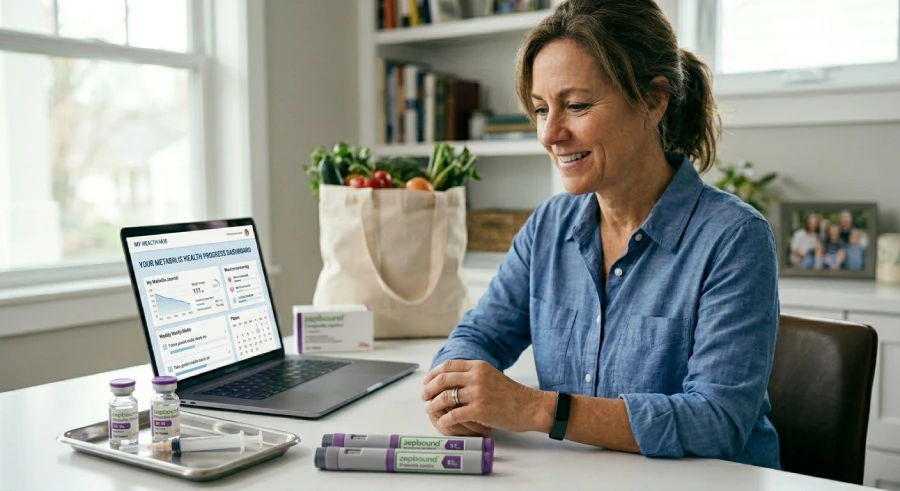
Final thoughts: taking the next steps towards treatment
Taking the first step toward medical weight management is a major decision, but it doesn’t have to be overwhelming. By researching your options and comparing the top providers to get Zepbound® online, you are already taking control of your metabolic health.
Remember that while this medication is a groundbreaking biological tool for Zepbound® weight loss, it is not a magic eraser. The most profound, lasting results are achieved when you partner with a medical team that supports you in building healthy, sustainable habits around nutrition and movement.
Whether you are navigating insurance approvals, searching for the best price on Zepbound®, utilizing a Zepbound® coupon, or managing a Zepbound® prescription online through the self-pay vial route, there is a telehealth provider ready to support your unique needs. Review our top-rated clinics, connect with a licensed healthcare professional today, and take the first step toward a healthier you.
Our top picks for October 2026
Frequently asked questions
Q. Do I qualify for Zepbound®?
A. Generally, FDA guidelines state that Zepbound® weight loss treatments are prescribed for adults with a Body Mass Index (BMI) of 30 or higher (obesity), or a BMI of 27 or higher (overweight) with at least one weight-related condition like high blood pressure, high cholesterol, or sleep apnea.
Q. Is Zepbound® a pill or an injection?
A. Zepbound® is a once-weekly subcutaneous injection. The medication is injected directly under the skin of your stomach, thigh, or upper arm. The needle on the autoinjector pen is incredibly small, and most patients report feeling little to no pain.
Q. Can I get a Zepbound® prescription without seeing a doctor in person?
A. Yes. Licensed telehealth platforms allow you to complete comprehensive online medical assessments or video calls with board-certified healthcare professionals who can legally prescribe Zepbound® if it is clinically appropriate for you.
Q. What happens if I stop taking Zepbound®?
A. Obesity is treated as a chronic condition. Clinical data suggest that if you stop taking the medication entirely, your appetite will return to its baseline, and weight regain is common. Using your time on the medication to build sustainable nutrition and exercise habits is vital for long-term success.
Q. Does Zepbound® cause muscle loss?
A. Rapid weight loss from any method can result in the loss of lean muscle mass along with fat. To protect your muscles while on Zepbound®, medical providers highly recommend eating a protein-heavy diet and incorporating regular strength training (like weightlifting or resistance exercises) into your weekly routine.
Q. What happens if I stop taking Zepbound®?
A. Obesity is treated as a chronic condition. Clinical data suggest that if you stop taking the medication entirely, your appetite will return to its baseline, and weight regain is common. Using your time on the medication to build sustainable nutrition and exercise habits is vital for long-term success.
